

At Shelby Vet Clinic in Shelby, IA, we know that many owners have questions about their pet's oral health, especially since pet dental problems are so common yet often go unnoticed until they are severe. Neglecting the mouth can lead to serious issues like pet gum disease and systemic infection, impacting your companion’s overall well-being. We have gathered answers to the most frequent questions to help you better understand the importance of proactive care for your beloved pet.
How Often Should My Pet Receive A Professional Pet Dental Checkup?
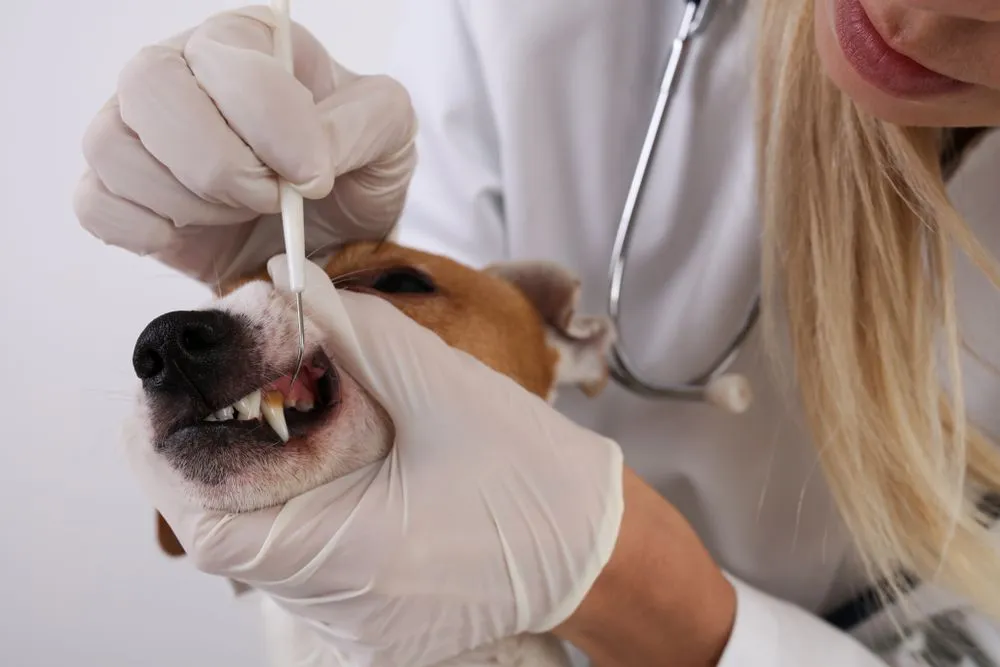
For most adult pets, an annual comprehensive pet dental checkup performed by our veterinarian is the recommended minimum frequency to monitor the early development of pet gum disease. During this visit, we carefully inspect the teeth, gums, and oral cavity for tartar in pets and any signs of inflammation or infection. Older pets or those with a history of rapid tartar buildup may benefit from a checkup every six months to stay ahead of developing issues.
What Are The Signs Of Dental Pain In Dogs And Cats?
Unlike humans, dogs and cats rarely cry out when experiencing dental pain, instead exhibiting subtle behavioral changes that owners should learn to recognize. Common signs of dental pain in dogs and cats include reluctance to chew on hard toys or food, only chewing on one side of the mouth, increased drooling, and noticeable changes in appetite. Even a slight irritability or withdrawal could be an indication of hidden discomfort from pet tooth decay or a fracture.
Can Tartar In Pets Be Removed With Only Brushing?
While daily brushing is the single most effective way to prevent the formation of plaque, once that soft plaque mineralizes into hard tartar in pets, it cannot be removed simply by brushing or using dental treats. Tartar firmly adheres to the tooth surface and often extends beneath the gum line, requiring mechanical removal under anesthesia. Only a professional cleaning at our clinic can safely and completely remove the hardened calculus that contributes to pet gum disease.
How Can I Tell If My Pet Has Serious Pet Tooth Decay?
Visible pet tooth decay can appear as brown or yellow stains on the tooth surface, particularly near the gum line, but the most severe decay often occurs out of sight. Gum recession, bleeding gums, and excessive tartar buildup are all strong indicators that underlying pet tooth decay or advanced pet dental problems are likely present. Dental X-rays, which are part of our comprehensive procedure, are the only way to accurately diagnose internal decay or abscesses affecting the tooth roots.
Partner With A Veterinarian Near You For Optimal Health
Prioritizing your pet’s dental health is a vital step toward ensuring they live a comfortable, pain-free life, free from the systemic threats of oral infection. If you notice any signs of dental problems or if your pet is due for an evaluation, our experienced team is here to provide exceptional care. Call Shelby Vet Clinic today to schedule your pet dental checkup with a reliable veterinarian near you in Shelby, IA.